a small house with a disproportionate story
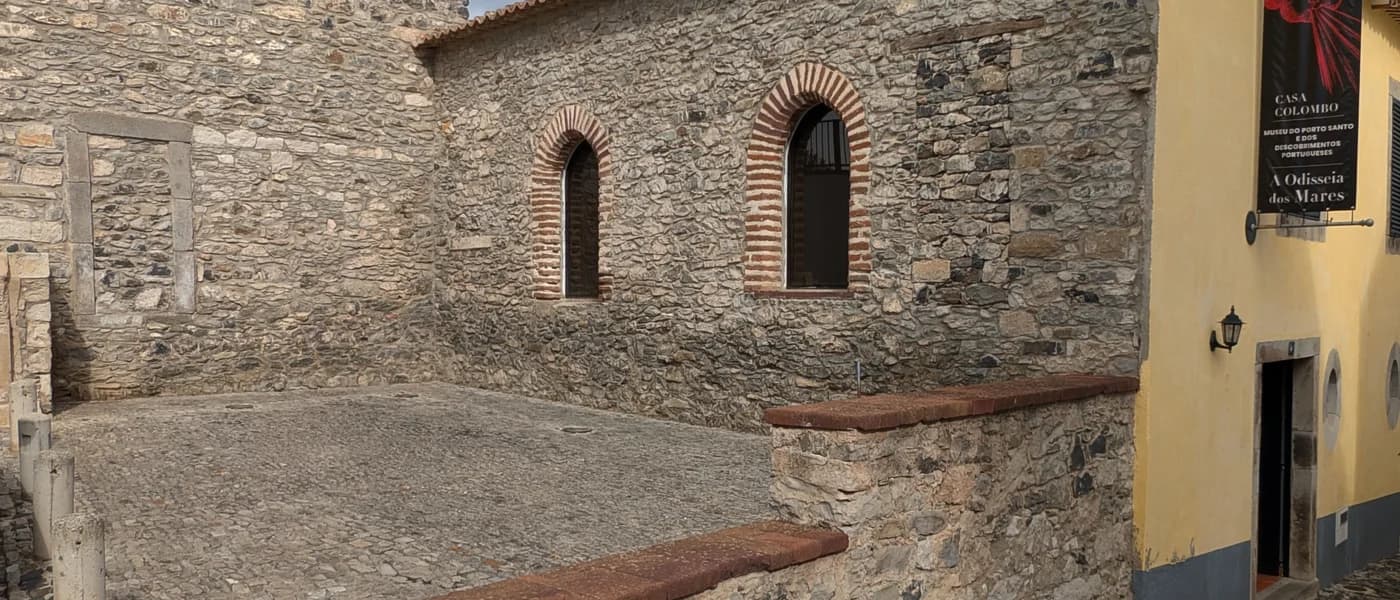
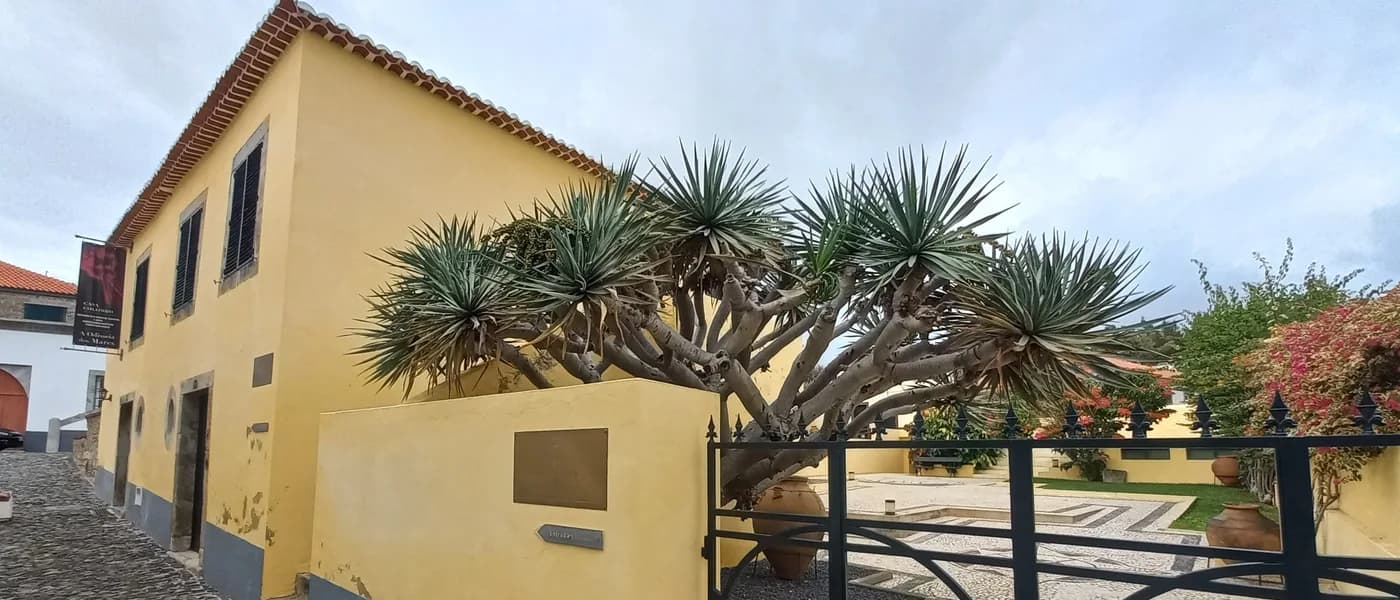
He lived here, or he didn't. The question stays open, but that's the starting point of the Casa Colombo: a residence in the centre of Vila Baleira that tradition associates with Christopher Columbus, after his marriage to Filipa Moniz Perestrelo, daughter of the first captain of Porto Santo. The connection may be apocryphal, but what the museum built around it isn't.
What you find is a reading of the island as a central piece in the Discoveries, not as a peripheral curiosity. Porto Santo appears in European portolan charts from the mid-14th century, before any officialised Portuguese presence. When João Gonçalves Zarco, Tristão Vaz Teixeira and Bartolomeu Perestrelo arrived around 1420, on the orders of Infante D. Henrique, this island was already on other people's maps. The Casa Colombo makes a point of telling that.
In 2023, the museum grew with the integration of the "Baiana" building, a 17th-century construction right next door, which housed the thematic expansion on the Discoveries in a broader sense: the routes to Africa, the East, the Americas, with pieces from Flemish, German, Spanish, African and Asian workshops donated to the collection. It's an island museum with ambitions of a national vision, which, in this context, is the right choice.
There's also a section dedicated to the sinking of the Dutch galleon Sloot ter Hooge near the coast, an episode of the India Company that ran aground here, literally, on someone else's route. In Porto Santo, even the shipwrecks have an Atlantic scale.
what's worth your attention
- the documentary link between Columbus and the Perestrelo family, with context that goes beyond the legend
- the "Baiana" building as a thematic extension, with an international collection unexpected on an island this size
- the wreck of the Dutch galleon, a story most people don't expect to find here