portuguese toys, from the 19th century to 1986
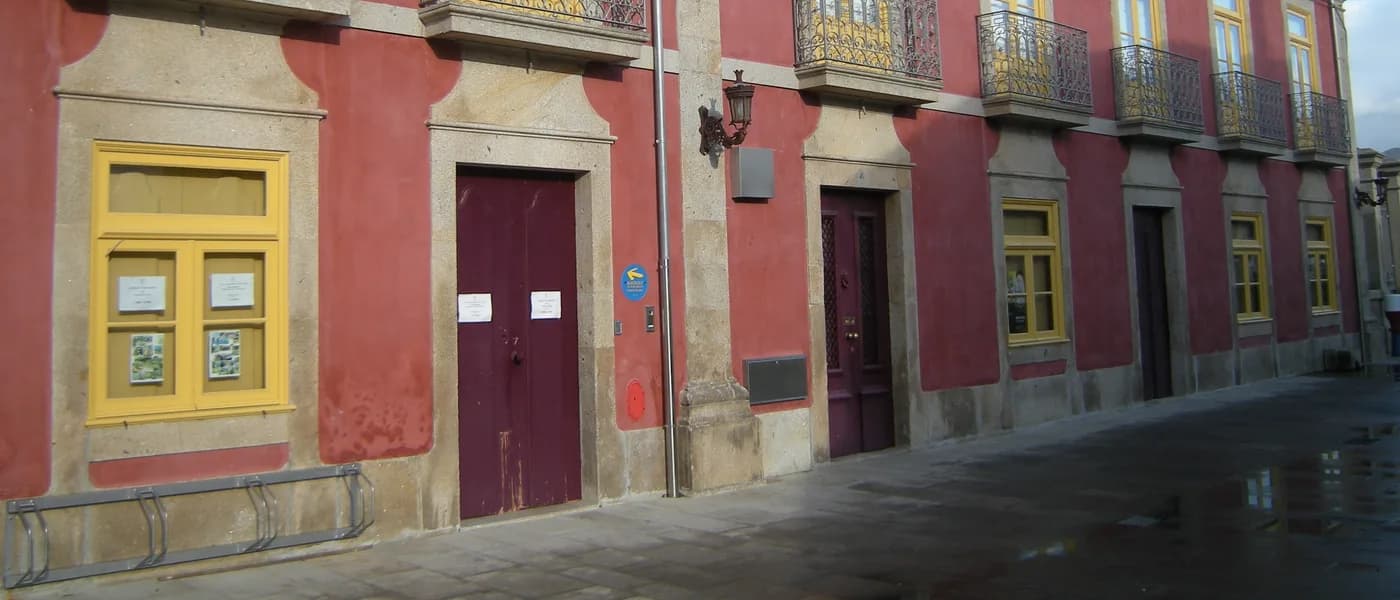
A rag doll from the 1940s. A wind-up tin train. A wooden game no child today knows how to play. These are the kinds of objects that greet you at the Museu do Brinquedo Português in the Casa do Arnado, on Largo da Alegria, right in the centre of Ponte de Lima.
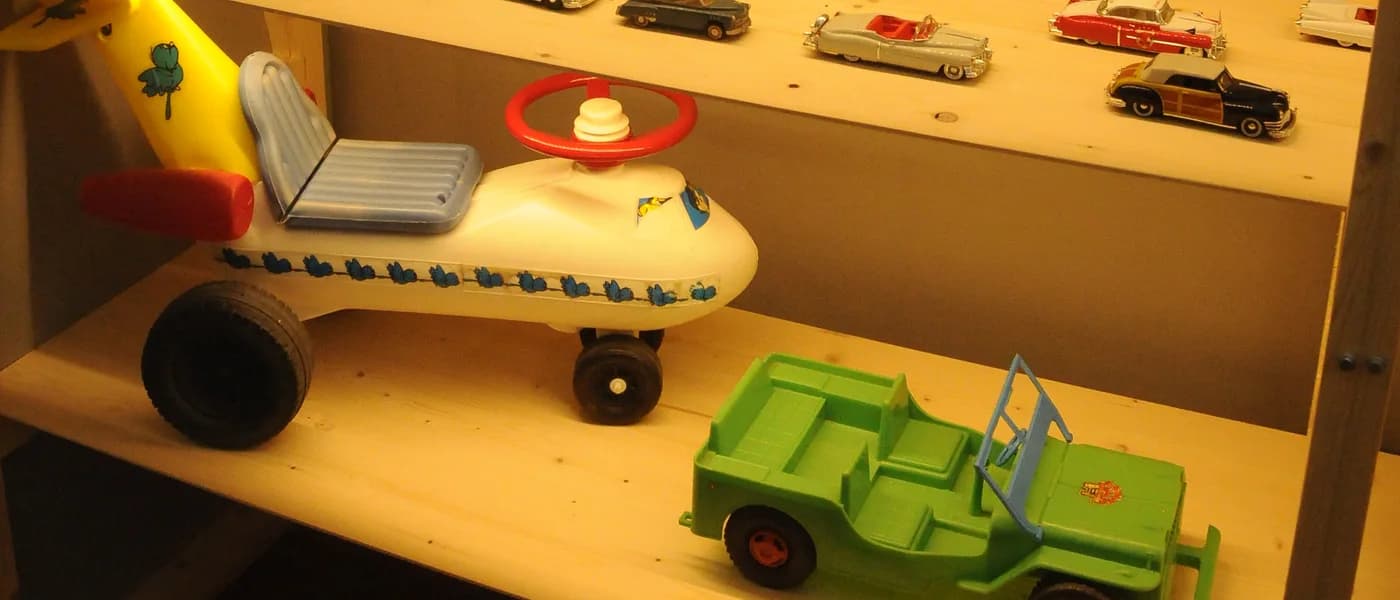
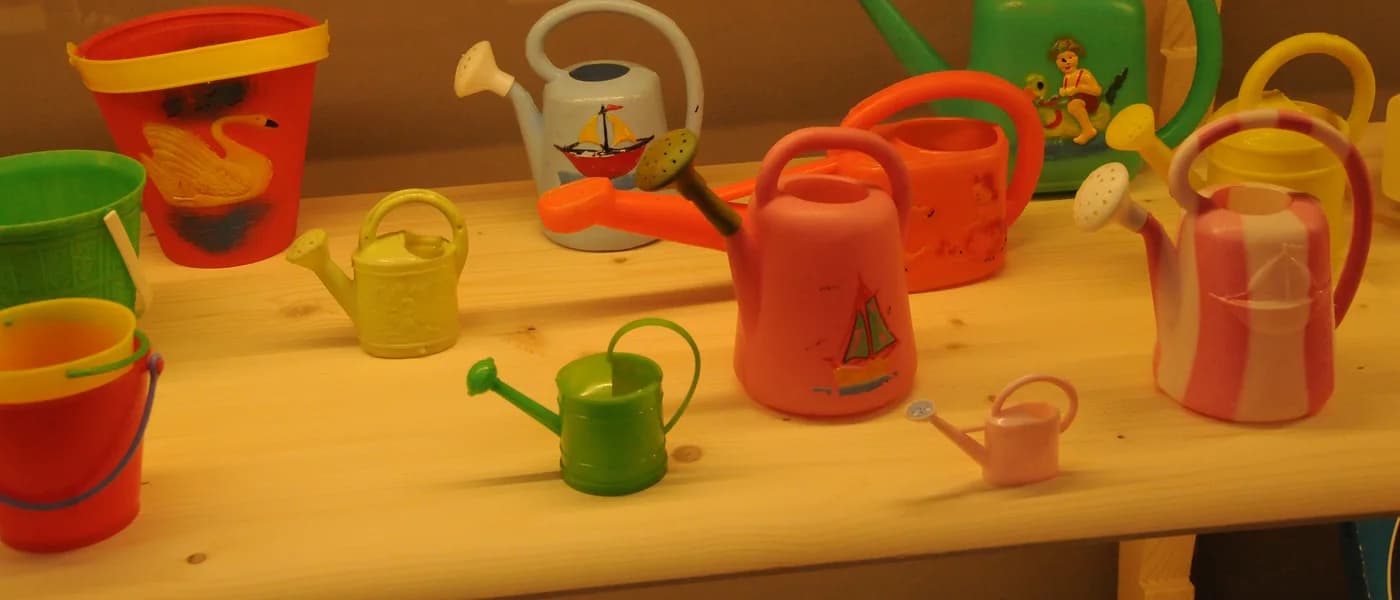
The collection covers almost a century of toys manufactured in Portugal, arranged chronologically from the late 19th century to 1986. It's a timeline of what Portuguese children had in their hands in each era, revealing as much about domestic industry as about the daily life of each generation. It isn't a collection of luxuries: it's a mirror of the real country.
The building that houses it carries its own weight. The Casa do Arnado is a historic house in Ponte de Lima, a town that has accumulated centuries of civil and religious architecture along the Lima. Walking out of here and down to the medieval bridge, with the memory of a country of celluloid and tinplate toys still fresh, is one of the strangest and most precise ways of understanding what has changed.
what you'll find
- Portuguese toys arranged chronologically, from the 19th century to 1986
- objects made of materials no longer used: tin, celluloid, hand-painted wood
- a Casa do Arnado with its own identity, in the historic heart of the town