prison, fortress, museum, in the order they happened
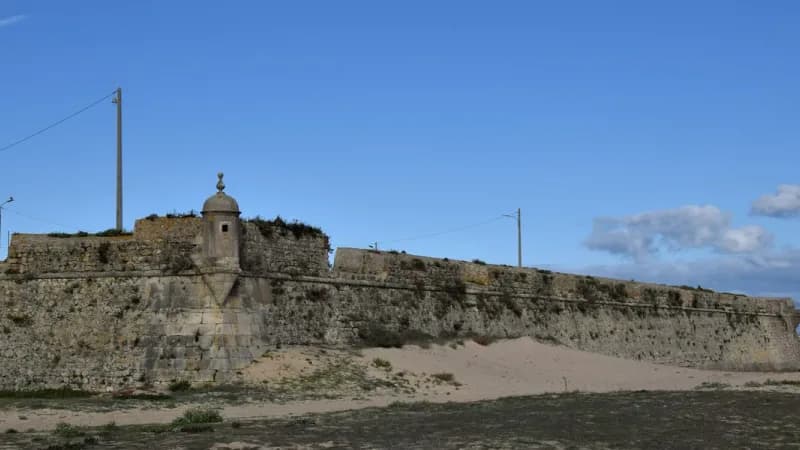
The fort rose on the cliffs of the Peniche Peninsula to guard a difficult coastline. For decades in the twentieth century, the Estado Novo used it to hold people: political opponents, militants, intellectuals. The PIDE wasn't the only one sending prisoners here, but the Forte de Peniche received those the regime wanted silenced.
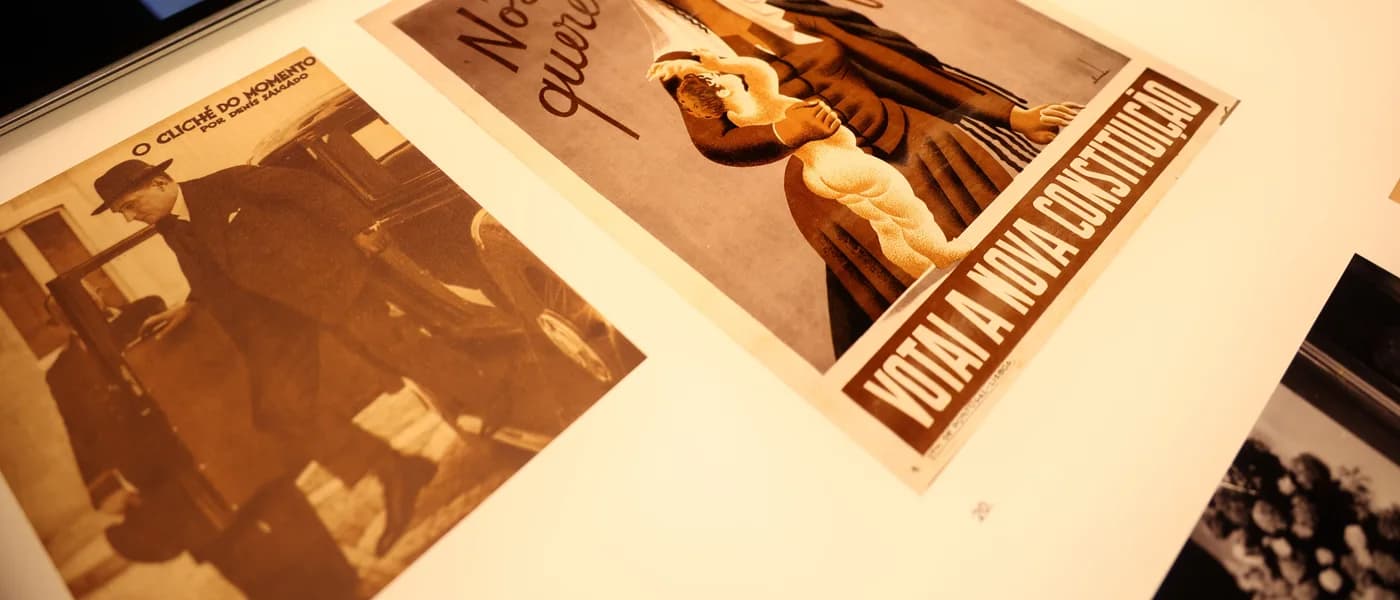
The Museu Nacional Resistência e Liberdade occupies that building without disguising it. The cells are still cells. The corridors have the same scale. What changed is what you can read on the walls: testimonies from former prisoners, photographs, documents. The memory is built from the people who were inside here, not from a distant institutional narrative.
The museum also holds an older collection: underwater archaeology from the region, artefacts from the wreck of the galleon San Pedro de Alcântara recovered near the island of Papoa, Roman ceramics, and fossils over 500 million years old found on the northern slope of the peninsula. An unlikely accumulation: from the Cambrian to fascism in the same building, on the edge of the Atlantic.
Step outside the fort and you have the fishing harbour on one side and the cliffs on the other. The geographical position explains everything: this place always mattered for what it controlled. Entering the Museu Nacional Resistência e Liberdade means understanding how the same piece of rock served very different interests over a very long time.
the political layer
The fort only passed to the municipality after the 25th of April, by decree in 1976. Before that it was under the Ministry of Justice. The handover was slow, with works and negotiations that dragged on for decades, and the museum that exists today came out of a process involving former prisoners, historians and political representatives in the same working group.
The video testimonies from former prisoners and their children are a central part of the programme. They're not secondary archive material: they're at the core of the narrative. Hearing someone recount being arrested in Santarém and ending up in this fort changes the scale of what you're looking at.
what you'll find
- cells preserved in their original configuration
- video testimonies from former prisoners and their families
- underwater archaeology collection, including pieces from the San Pedro de Alcântara
- views over the cliffs directly from the fort's exterior
- Cambrian fossils collected on the peninsula