when the village saved everything before it disappeared
In 1976, an emigrant in France had a simple but labour-intensive idea: bring the community of Salselas together to preserve what was disappearing. Jaime António Gonçalves, known as António Cravo, mobilised those who were still there and those who had left. The result only opened its doors in August 2000, but it was built literally by the hands of those who donated time, effort and belongings.
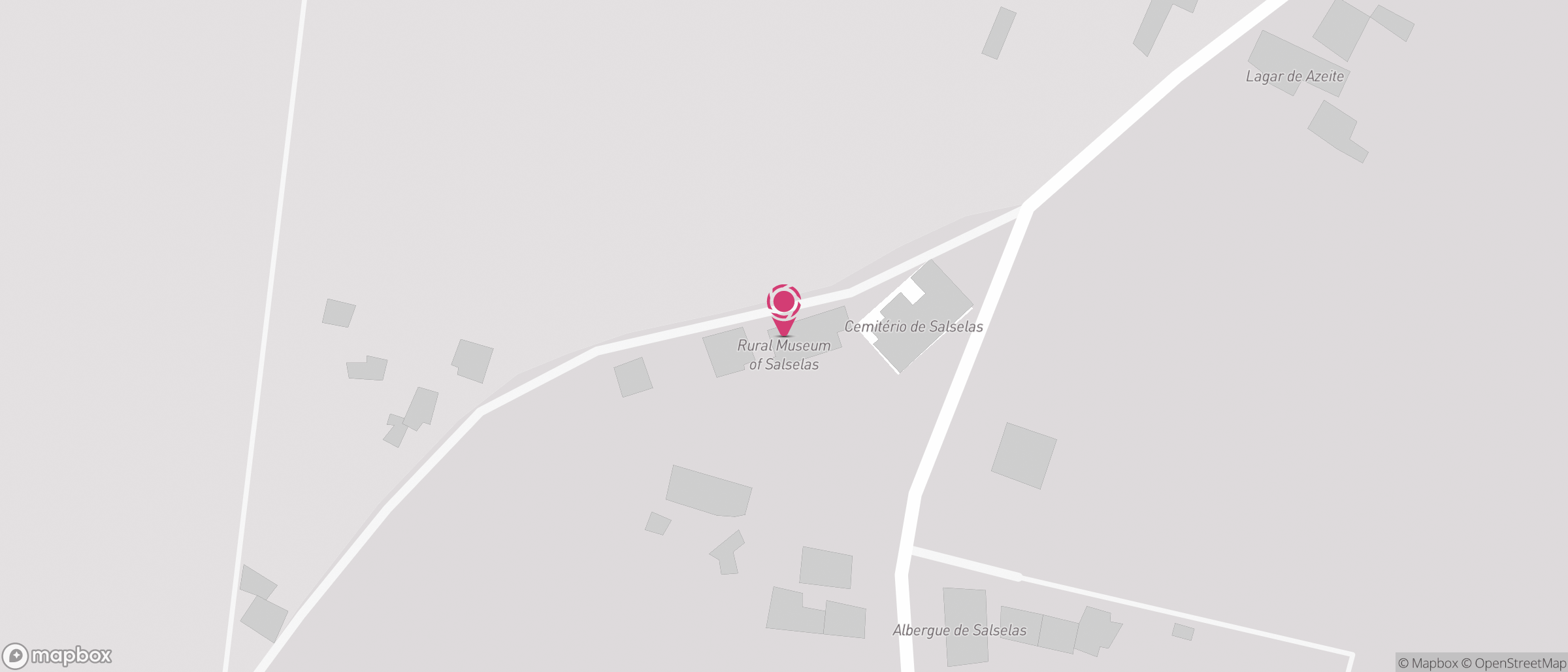
The Museu Rural de Salselas occupies 180 square metres on the first floor of the parish council building. Eighteen thematic sections divided into two worlds: the world of the individual and the world of rural society. On one side, the cycles of bread, wine, olive oil and linen. The crafts that no longer exist: the tailor, the cobbler, the blacksmith, the tinker, the basketmaker. On the other, the Trás-os-Montes house recreated with fireplace, kitchen and the farmer's bedroom, just as they were.
There's a detail that sets this place apart from many other rural museums: Salselas was the capital of rural carpentry in the northeast. Ox carts were made here for other localities. The farmer's barn, with the traditional cart surrounded by agricultural tools, isn't decoration. It's the record of a specialisation that few people know existed in this village in the municipality of Macedo de Cavaleiros.
Outside, the museum continues: a lime kiln, tile kilns, watermills scattered around the area. There's no compulsory route. Salselas receives you the way it has always received those who passed through, without drama and without hurry.
what you'll find
- the ox cart in the barn, with the tools around it
- the recreated Trás-os-Montes kitchen with fireplace
- extinct crafts represented with their actual instruments
- kilns and mills to explore outside
- a project made by the community, not by museum specialists