when tungsten moved the world
There are ores that have changed wars. The tungsten pulled out of the Minas da Panasqueira was one of them: during the Second World War, Portugal became a supplier fought over by the Allied powers and the Axis, and a big chunk of that ore came out of here, from the Cova da Beira. The Museu Mineiro das Minas da Panasqueira tells that story without romanticising it.
The collection focuses on the reality of underground work: tools, extraction equipment, technical documentation and records of the lives of the miners who for decades crossed the Serra da Estrela to go down into the galleries. The Minas da Panasqueira are still in operation, which makes this museum different from the ones that preserve only the memory of something dead. There's a direct line here between the past on display and the present out there.
The geographical context matters. You're in Covilhã, a city that built itself between wool and mountain, but Panasqueira sits further inland, already on the Zêzere side. The museum brings that other Covilhã indoors, the one of schist and ore, which few people associate with the city of wool mills.
You leave with a clear sense of what it took, and still takes, to pull metal out of the mountains.
tungsten: the ore that spared no one
Panasqueira is one of the largest tungsten mines in the world in continuous operation. The ore, used in the cutting-tools industry and in high-resistance components, has value cycles tightly tied to conflicts and to industrial peaks. During the Second World War the price shot up and the region went through a feverish period, with workers showing up from all over the country.
The extraction conditions were harsh: the horizontal galleries cut into granite and schist demanded intense manual work, with the risk of silicosis among the miners. The museum doesn't hide that side, and it's that honesty that gives weight to what you see.
come prepared for
- historical documentation on the tungsten trade during the war
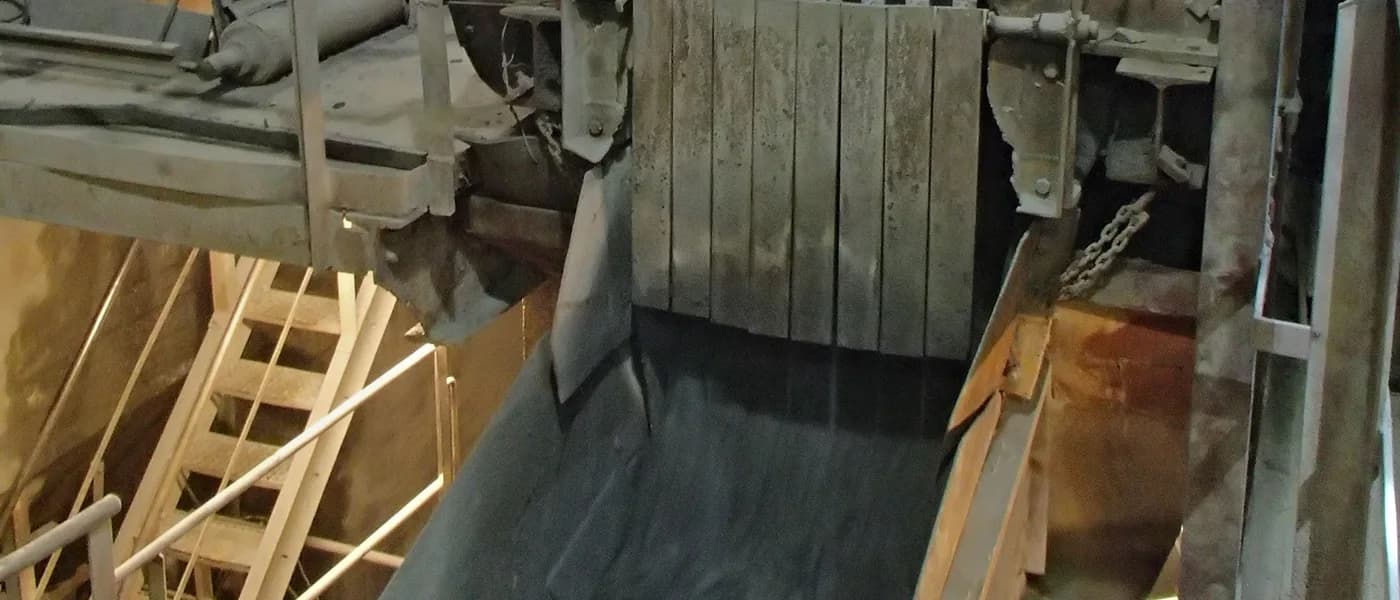
- original equipment for extraction and ventilation of the galleries
- the contrast between industrial scale and very physical human labour
- a view of the Serra da Estrela that doesn't go through snow or altitude tourism