where the tua line ended up
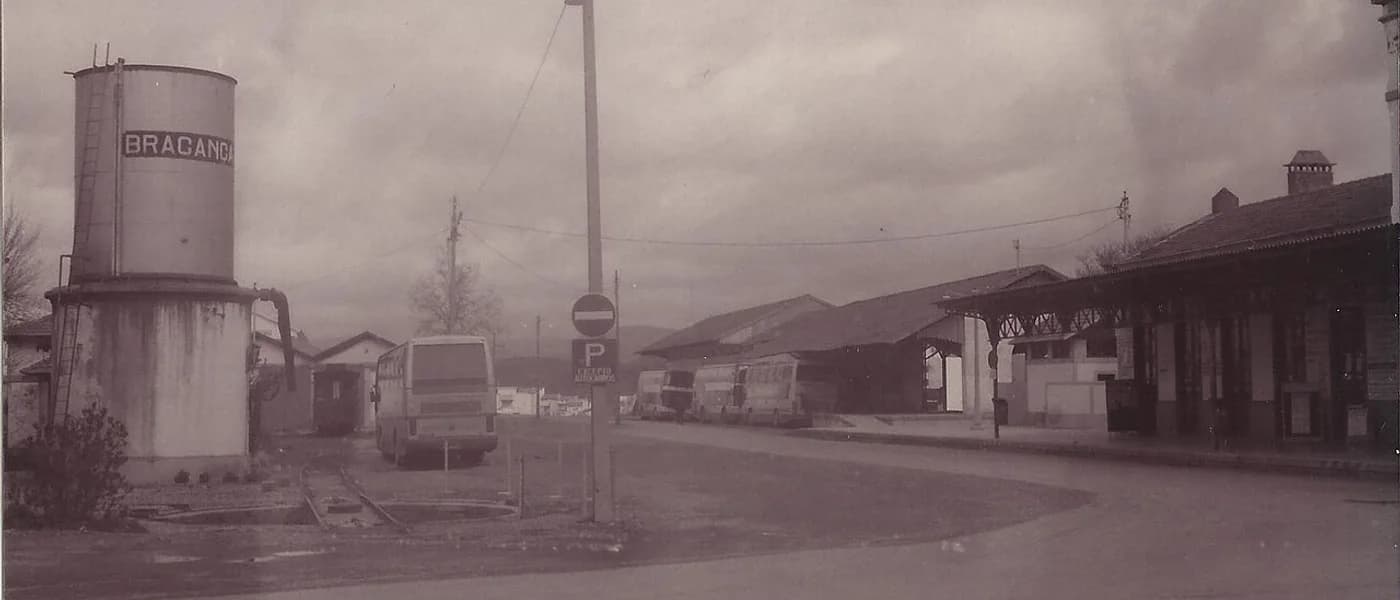
The Linha do Tua was one of the most dramatic railways in the country: 145 kilometres cutting through gorges and slopes from the Douro all the way to Trás-os-Montes, built in sections between 1887 and 1906. It closed in 2008, with no way back. What was left in Bragança ended up in the old engine shed of the terminal station, a building that holds 19th-century locomotives and carriages as if time simply stopped.
The Núcleo Museológico de Bragança is part of the Museu Nacional Ferroviário network, but it runs on a different logic from the headquarters in Entroncamento. There are no grand staging exercises here, no carefully designed exhibitions. There's iron, old wood and machines that connected this territory to the rest of the country before roads and motorways made everything more the same.
what was left behind
Among what you can see are two 19th-century locomotives, the N 1 from 1887 and the E 55 from 1889, and carriages from the same era that carried people through these mountains for decades. The E 114, from 1908, rounds out a set that covers almost the complete history of the Trás-os-Montes branch line. There's also a lever-operated quadricycle and a wagon, the small daily working tools that rarely show up in higher-profile museums.
The scale is just right for understanding what the railway meant around here: not a showcase of polished locomotives, but the archive of a line that served an isolated region and ended up being abandoned along with it.
what you'll find
- original 19th-century locomotives and carriages in an engine shed setting
- a building with its own history, tied to the terminal station of the Linha do Tua
- the feeling of being in an archive, not a tourist attraction